Source Maca Patches for libido, sleep, and weight loss
Compare 30 Maca Patches from verified suppliers offering benefits for libido support, sleep aid, and weight management. Browse options with varying MOQs, certifications, and custom packaging to find the right transdermal solution for your business needs.
Key considerations
Products List









Comprehensive Sourcing Guide
Strategic Sourcing Guide for Maca Patches
Understanding Product Categories and Form Factors
When initiating a procurement search for Maca Patches, buyers must first distinguish between the specific formulation and the physical delivery mechanism. The market for transdermal delivery systems has expanded significantly, with maca root extract being a primary ingredient in formulations targeting libido support, energy enhancement, and hormonal balance. However, the physical form of these products varies considerably across suppliers. Some listings explicitly categorize the item form as a "Patch," designed for transdermal absorption, while others may list similar functional products as "Pads" or utilize different material substrates like non-woven fabric.
The distinction between a "Patch" and a "Pad" is critical for technical compliance and application safety. A patch is typically engineered to adhere directly to the skin to facilitate the transdermal delivery of active ingredients like maca, ashwagandha, or resveratrol. In contrast, pads may serve different functions or utilize different application methods. Buyers should verify the "Item Form" attribute in supplier catalogs to ensure the product matches the intended usage. For instance, specific product models such as FB35853 are identified as transdermal patches with a single package size of 16x3x21 cm, whereas other models like XY-LP may be listed as pads with customizable sizes. The application site is another key differentiator; while some maca-based products are designed for general body application, others specify usage on the hand or other specific areas. Confirming the "Application" field prevents mismatches between the product's design and the buyer's distribution strategy.
Technical Specifications and Ingredient Profiles
The efficacy of Maca Patches relies heavily on the purity of the maca root extract and the synergy with other botanical ingredients. A comprehensive technical review of available products reveals that maca is frequently combined with other adaptogens and herbal compounds. Common ingredient profiles observed in the market include combinations of maca, ashwagandha, damiana, and herbal extracts. These blends are often marketed to support specific physiological functions, such as healthy libido, sleep support, or weight management.
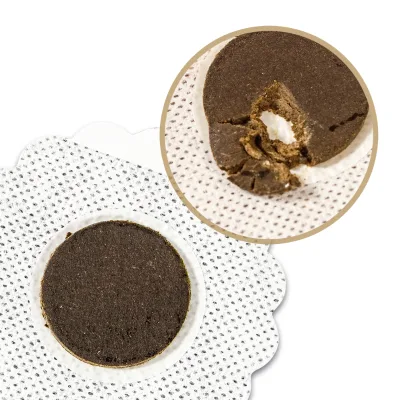
The material composition of the patch itself is equally important. While some products utilize herbal materials, others employ non-woven fabric as the base substrate. The single gross weight of these items can vary significantly depending on the size and the density of the active ingredient layer. For example, certain transdermal patches may have a gross weight of 0.4 kg per single unit, while others, such as those containing moringa or resveratrol, may weigh as little as 0.05 kg. Buyers must scrutinize the "Main Ingredient" and "Material" fields to ensure the product aligns with their quality standards. Additionally, the shelf life is a critical technical parameter; products typically carry a shelf life ranging from 2 to 3 years. Storage methods are also specified, often requiring items to be sealed and stored in a dry, clean place to maintain the integrity of the herbal compounds.
Compliance, Certification, and Regulatory Standards
Navigating the regulatory landscape is a paramount concern for B2B buyers sourcing Maca Patches. The global market for herbal supplements and transdermal delivery systems is subject to varying degrees of regulation depending on the destination country. When evaluating potential suppliers, buyers should look for established quality certifications that indicate a commitment to manufacturing standards. Common certifications observed in this sector include CE (Conformité Européenne) and ISO (International Organization for Standardization) marks. Some suppliers may also provide additional documentation such as MSDS (Material Safety Data Sheet), COA (Certificate of Analysis), or specific quality certificates.
It is essential to verify the scope of these certifications. A CE mark indicates that the product meets EU safety, health, and environmental requirements, which is often a prerequisite for selling in European markets. ISO certification suggests that the manufacturing facility adheres to international quality management systems. However, buyers must not assume that a listed certification applies to every SKU or model number. The presence of a certification on a product page should be treated as an observation of that specific listing rather than a universal guarantee for all Maca Patches. Furthermore, the "Quality Certification" field should be cross-referenced with the specific regulatory requirements of the target market. For instance, if the destination market requires specific herbal supplement registrations, the presence of a CE mark alone may not be sufficient. Buyers should request the actual certificate documents to verify the validity and scope before proceeding with large orders.
Cost Drivers and Minimum Order Quantities
The pricing structure for Maca Patches is influenced by several factors, including the complexity of the formulation, the customization level, and the order volume. The observed price range in the market can vary widely, with unit costs ranging from $0.08 to $2.80 USD. This variance is often driven by the type of ingredients used, the branding strategy, and the packaging requirements. Products with "Private Packaging" capabilities or those offering extensive OEM/ODM services, such as customization of size, logo, label, color, flavor, and package, typically command higher prices due to the added value of customization.
Minimum Order Quantities (MOQ) are another significant cost driver. Suppliers may set MOQs based on their production capacity and the complexity of the customization requested. Observed MOQ ranges span from as low as 10 pieces to as high as 50,000 pieces. A lower MOQ, such as 10 pieces, might be suitable for small businesses or those testing the market, while higher MOQs, like 1,000 or 5,000 pieces, are often required for bulk procurement to achieve economies of scale. Buyers should carefully evaluate their inventory needs against the supplier's MOQ requirements. It is also important to note that the "Selling Units" may be listed as "Single item," which can affect how pricing is calculated and compared. Understanding the relationship between the MOQ and the unit price is crucial for accurate budgeting and financial planning.
Supplier Evaluation and Geographic Considerations
When selecting a supplier for Maca Patches, geographic origin plays a role in logistics and supply chain reliability. The observed data indicates that production facilities are located in various regions, including GuangDong and Henan in China. These regions are known for their manufacturing capabilities in the health and wellness sector. However, the specific location should be verified against the supplier's ability to meet shipping timelines and export requirements.
Supplier evaluation should extend beyond location to include their flexibility in customization. Many suppliers offer OEM/ODM services, allowing buyers to tailor the product to their brand identity. This includes the ability to customize the size, logo, label, color, flavor, and packaging. The "Brand Name" field may show either a specific brand or a placeholder indicating that the brand can be customized. Buyers should assess the supplier's capacity to handle these customizations without compromising quality. Additionally, the "Product Name" and "Model Number" should be consistent across all documentation to avoid confusion during the ordering process. A supplier that provides clear, consistent product information is more likely to be reliable in fulfilling large orders.
Quality Control and Long-Term Procurement Strategy
Implementing a robust quality control (QC) strategy is essential for maintaining product integrity and brand reputation. Buyers should establish clear criteria for accepting shipments, focusing on the physical attributes of the patches, such as color, size, and adhesion properties. The observed color options, such as pink or green, should match the buyer's specifications. Furthermore, the "Single gross weight" and "Single package size" should be verified to ensure they meet the agreed-upon standards.
For long-term procurement, buyers should consider the scalability of the supplier. A supplier that can accommodate increasing order volumes while maintaining consistent quality is preferable. The "Shelf Life" of the product is a critical factor in inventory management; a 2 to 3-year shelf life provides flexibility for storage and distribution. Buyers should also consider the "Storage Method" requirements to ensure that their warehousing facilities meet the necessary conditions, such as being dry and clean. Finally, establishing a clear communication channel for resolving quality issues and managing returns is vital for a sustainable procurement relationship. By focusing on these long-term considerations, buyers can build a resilient supply chain that supports their business growth.
Comparative Analysis of Product Attributes
To facilitate decision-making, the following table summarizes key attributes observed across different maca patch listings. This comparison highlights the diversity in specifications, certifications, and order requirements that buyers must navigate.
| Attribute | Product A (Example) | Product B (Example) | Product C (Example) |
|---|---|---|---|
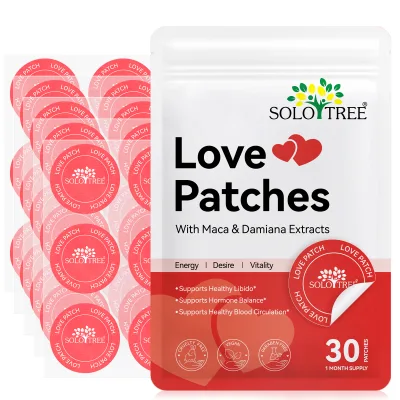
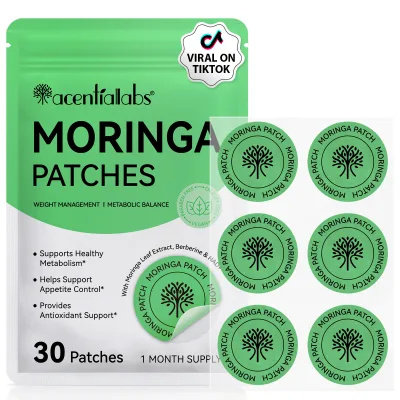
| Product Name | Love Transdermal Patches | Moringa Patches | Hormone Balance Patches |
| Item Form | Patch | Patch | Pad |
| Main Ingredient | Maca, Ashwagandha, Herbal | Nad, Resveratrol | Maca, Damiana |
| Material | Herbal | Herbal | Non-Woven Fabric |
| Certification | CE | CE | CE, ISO |
| MOQ | 10 pcs | 500 pcs | 1000 pcs |
| Shelf Life | 3 Years | Not Specified | 2 Years |
| Application | Hand | Body | Body |
| Place of Origin | GuangDong | Henan, China | Henan, China |
| Customization | Private Packaging | Size/Logo/Label | Size/Logo/Label/Color |
This table illustrates that while maca is a common ingredient, the surrounding formulation and product structure vary significantly. Buyers must align these attributes with their specific market needs and regulatory requirements. The diversity in MOQs and certifications further underscores the importance of thorough due diligence before committing to a supplier. By carefully analyzing these factors, buyers can make informed decisions that optimize cost, quality, and supply chain efficiency.
FAQs
What certifications do Maca Patches typically have?
Many Maca Patches carry CE and ISO certifications to ensure safety and quality standards. Some listings also provide MSDS, COA, or specific quality certificates. Buyers should verify the scope of these certifications against their target market requirements before ordering.
How is the minimum order quantity determined for these patches?
MOQs vary significantly, ranging from as low as 10 pieces to as high as 50,000 pieces depending on the supplier. Lower MOQs suit small businesses testing the market, while higher volumes often secure better economies of scale. Always check the specific listing for exact requirements.
Which ingredients are commonly found in maca transdermal patches?
Common formulations include maca combined with ashwagandha, damiana, or other herbal extracts. Some products may also contain ingredients like resveratrol or moringa. The specific blend depends on the intended function, such as libido support, sleep aid, or hormone balance.
Can buyers customize the packaging and branding of these patches?
Yes, many suppliers offer private packaging and extensive OEM services for customization. Buyers can often tailor the size, logo, label, color, flavor, and package design. This flexibility allows businesses to align the product with their specific brand identity and market strategy.
What is the typical shelf life for Maca Patches?
The shelf life generally ranges from 2 to 3 years depending on the specific product formulation. Proper storage is required, typically involving sealing and keeping items in a dry, clean place. This duration allows for flexible inventory management and distribution planning.
Where are Maca Patches typically manufactured?
Production facilities are often located in regions like GuangDong and Henan in China. These areas are known for their manufacturing capabilities in the health and wellness sector. Buyers should verify the specific origin listed for each product to ensure supply chain reliability.